Motivated Camera Movement
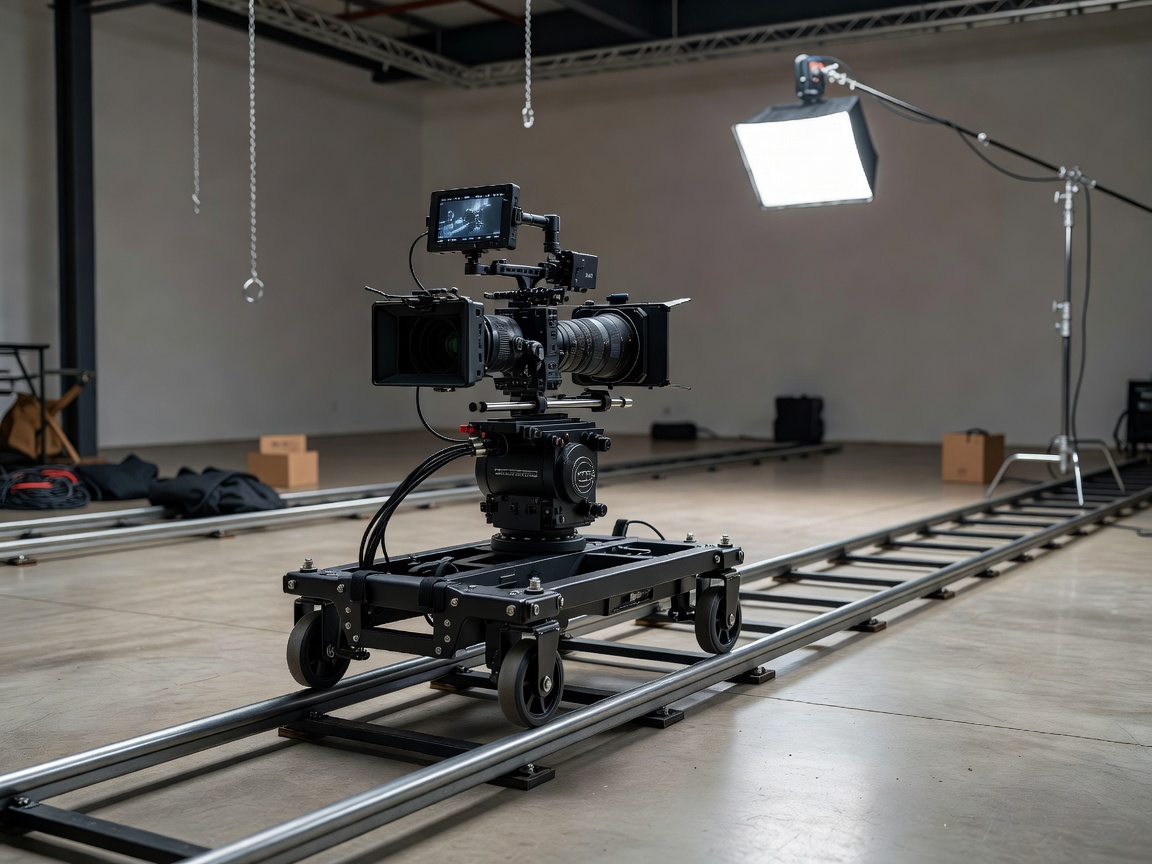
A moving camera is one of the most powerful tools in a filmmaker's arsenal, yet it is often the most abused. Because modern stabilization technology has made movement cheap and easy, the discipline of motivated movement separates professional cinematography from amateur video.
The Golden Rule: Motivation
Before calling for a dolly grip or strapping into a stabilization rig, a cinematographer must ask: "Why is the camera moving?"
Camera movement should inherently serve the story. If a character walks across a room, the camera pans or tracks to follow them—this is physical motivation. If a character experiences a sudden, terrifying realization, the camera might push in aggressively—this is emotional motivation. Moving the camera simply because the shot feels "boring" draws unwarranted attention to the mechanics of the filmmaking process, breaking viewer immersion.
Tools of the Trade
Different movement tools evoke entirely different emotional responses.
- The Dolly: A camera mounted on a wheeled platform moving along laid tracks. Dolly movements are incredibly smooth, linear, and deliberate. A slow dolly push-in on a character implies intense focus, inevitability, or the realization of high stakes. Because it shifts perspective (unlike a zoom, which merely magnifies), the parallax effect alters the spatial relationship between foreground and background.
- Steadicam & Gimbals: These systems isolate the camera from the operator's steps, allowing for fluid motion through complex environments where tracks cannot go. They provide a floating, dreamlike quality. They are excellent for continuous "oners" (long uninterrupted takes) that follow characters through winding sets, immersing the viewer directly in the subject's ongoing experience.
- Handheld: Operating the camera directly on the shoulder transfers the operator's breathing and micro-movements to the frame. This creates a raw, documentary-like visceral energy. It implies chaos, urgency, and vulnerability, immediately raising the tension of an action sequence or a heated argument.
"Stillness is a choice. Often, the most powerful thing a camera can do during an emotional climax is simply stop moving."
Pans, Tilts, and Static Framing
Not all movement requires physically displacing the camera body. A pan (horizontal rotation) or a tilt (vertical rotation) executed on a fluid head tripod can reveal new information in a controlled, majestic manner. A slow pan across a landscape establishes scale, while a sudden whip-pan between two actors mimics the rapid shifting of a spectator's attention during an argument.
Ultimately, the baseline of cinematography should be the static shot. By reserving movement for moments of narrative necessity, the cinematographer ensures that when the camera finally moves, the audience feels the impact.