Color Science & Grading
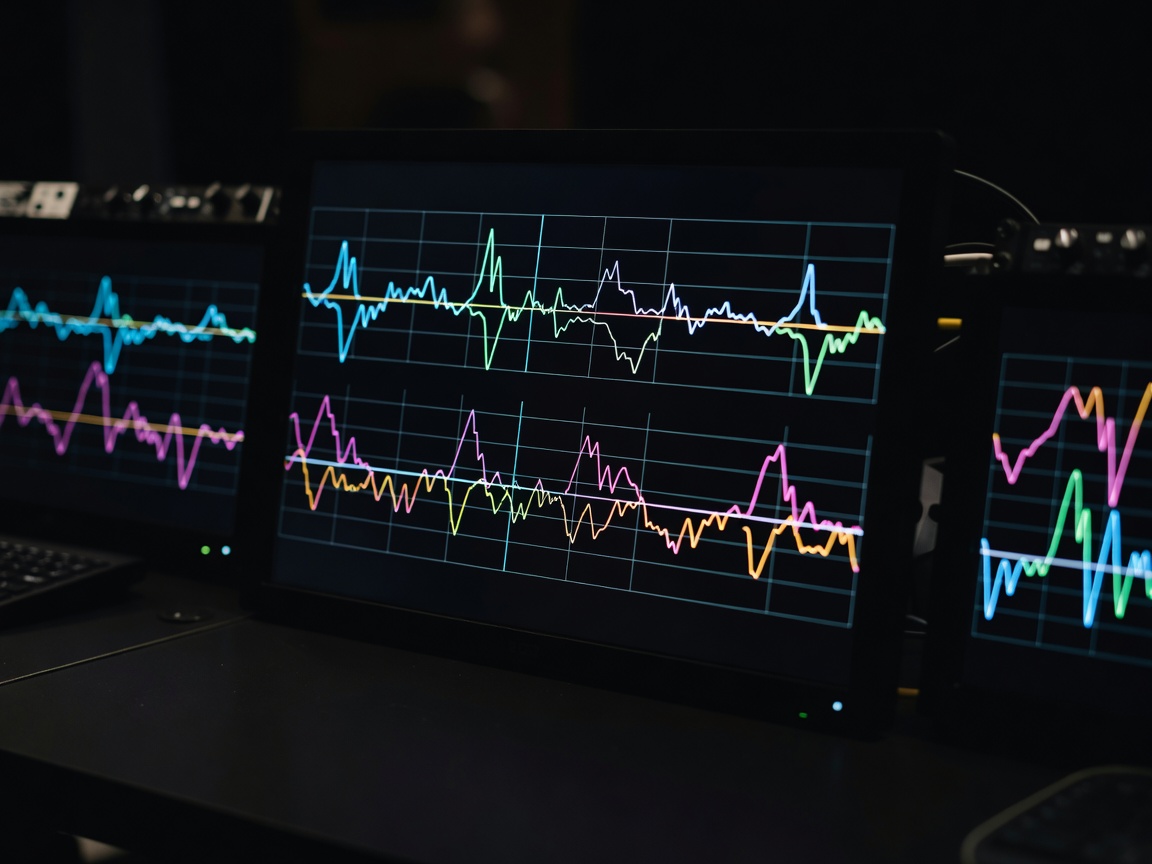
Digital cinematography has pushed the burden of the final "look" heavily into post-production. Understanding color science is no longer optional for cinematographers; it is a fundamental requirement for protecting image integrity from the sensor to the screen.
The Logarithmic Curve
Unlike standard consumer cameras that bake contrast and color saturation into the image files (usually in the Rec.709 color space), professional cinema cameras record in Log (logarithmic) profiles. A Log image straight out of the camera looks severely washed out, flat, and desaturated.
This flatness is intentional. The logarithmic curve redistributes digital data to capture maximum dynamic range, preserving details in blinding highlights and deep shadows that would otherwise clip in a linear or Rec.709 profile. The cinematographer captures a "digital negative" that contains massive amounts of raw information, allowing colorists total flexibility in the grading suite.
Primary vs. Secondary Correction
The color grading process is generally split into two distinct phases:
- Primary Correction: This stage involves balancing the image. The colorist normalizes the Log footage by applying a transform (often via a LUT or Color Space Transform node) to bring it into the target display space (like Rec.709). Here, exposure is balanced shot-to-shot, white balances are neutralized, and standard contrast is restored. The goal of primaries is a clean, uniform baseline across the entire scene.
- Secondary Correction: Once balanced, the creative work begins. Secondaries target specific parts of the image. A colorist might use a power window (mask) to brighten an actor's face, use HSL qualifiers to isolate and desaturate a distracting red car in the background, or inject a teal tint into the shadows while keeping skin tones natural and warm.
"A great grade doesn't invent the lighting; it sculpts the light that was already captured on set."
Scopes and Measurement
A professional grading suite relies on objective scopes rather than the human eye alone, as eyes adapt to ambient room light and screen fatigue.
The Waveform Monitor evaluates luminance (brightness) across the image from left to right. It allows the colorist to see exactly where shadows clip to pure black or highlights blow out to pure white. The Vectorscope measures chrominance (color hue and saturation). It plots colors on a circular graph, showing how saturated a specific color is, and is indispensable for ensuring skin tones fall along the natural "flesh line," regardless of the subject's race or ethnicity.